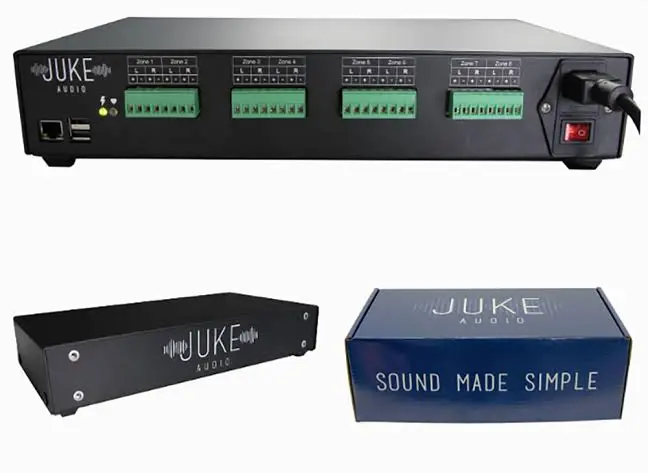
JUKE+: The Worst Multi-Streaming Amplifier Ever
When it comes to multi-streaming amplifiers, you’d think that more zones, better connectivity, and powerful performance would be a given. Unfortunately, the JUKE+ falls far short of these expectations, earning it a spot as one of the worst amplifiers on the market. Here’s why:
1. Not a True 8-Zone Amplifier
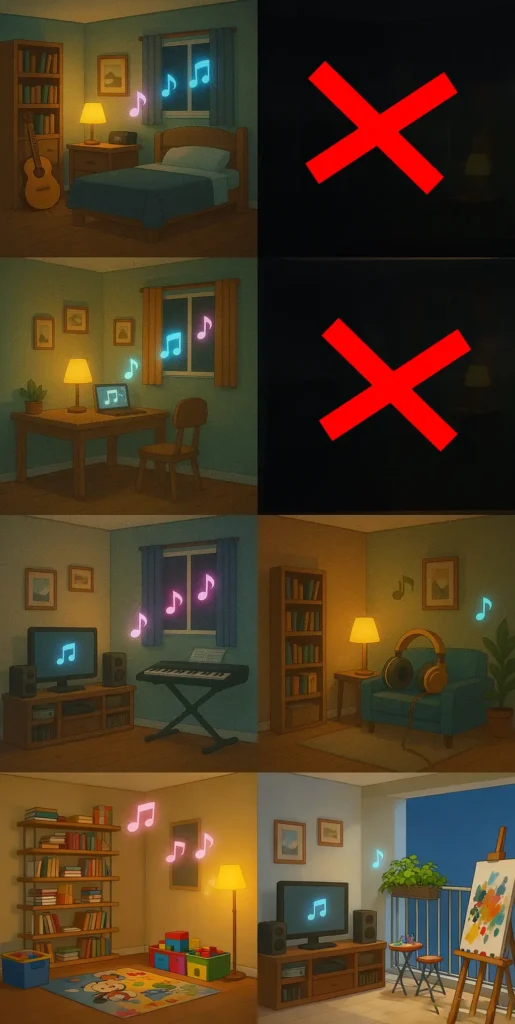
Despite claiming to be an 8-zone amplifier, the JUKE+ only supports six zones. This means that if you have a home with eight rooms, you’ll be left with two rooms without audio, which is unacceptable for anyone seeking a complete home audio solution. Brands like RUSSOUND and HOLOWHAS offer genuine 8-zone amplifiers that deliver on their promises.
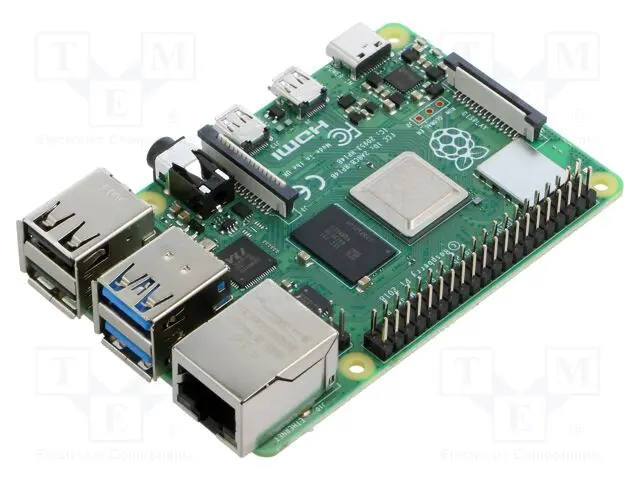
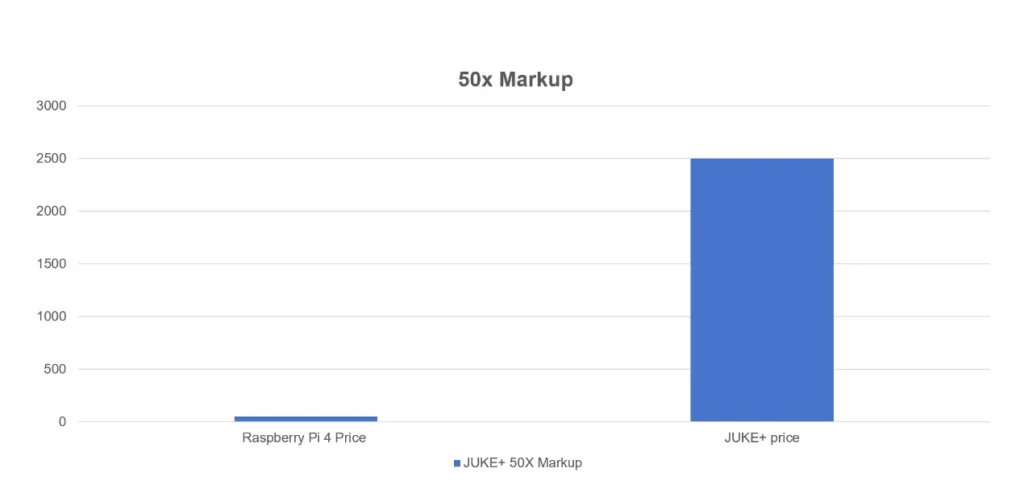
2. Using a $40 Raspberry Pi, the product is priced at $2500, marking a 65x markup
The JUKE+ is priced at $2500, which is an outrageous premium for what it offers. For comparison, the Raspberry Pi Compute Module 4, which is used in the JUKE+, starts at $25 for the basic model and goes up to $90 for the highest configuration. This means the JUKE+ is priced at a staggering 65 times the cost of the basic Raspberry Pi Compute Module 4, making it an extremely overpriced product for its capabilities.
3. No Subwoofer Support
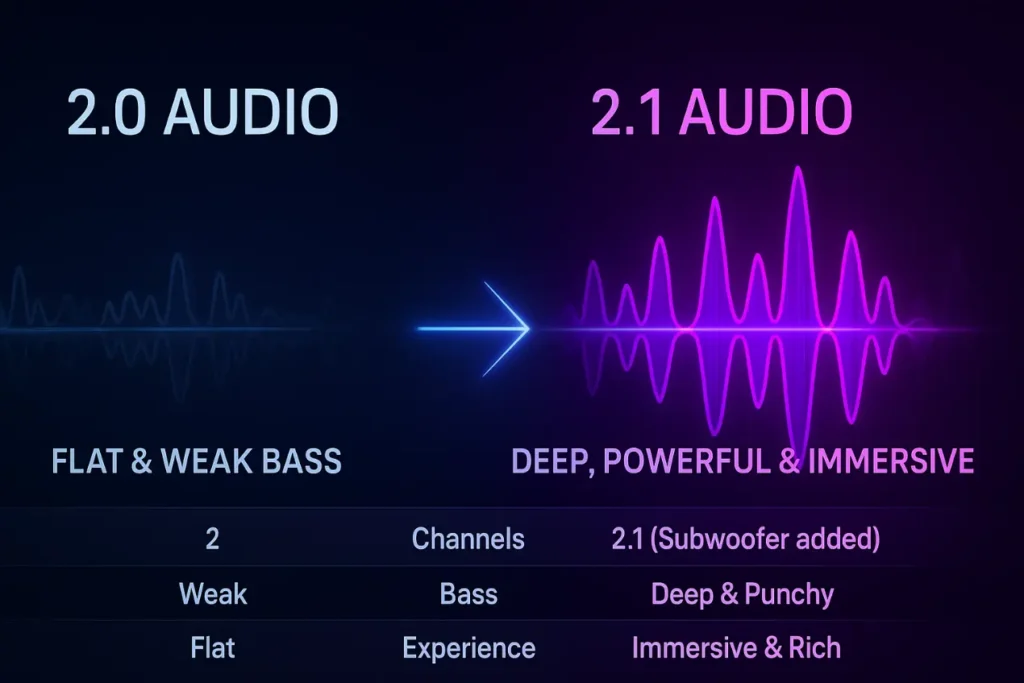
Modern listeners crave more than just basic stereo sound. We want immersive 2.1 audio, especially in larger rooms where a subwoofer can significantly enhance the listening experience. The JUKE+ fails to deliver here, offering no subwoofer support. This is a major drawback compared to competitors like HOLOWHAS, which provide robust subwoofer integration for a richer audio experience.
4. Outdated Wi-Fi Version
The Wi-Fi version on the JUKE+ is painfully outdated. The transmission speed is slow, and the setup process is cumbersome. In today’s fast-paced world, we expect seamless connectivity, but the JUKE+ falls short, making it a frustrating choice for anyone looking for a hassle-free experience. JUKE+ stick with WiFi 5.
As of 2025, the latest Wi-Fi standard is Wi-Fi 7, also known as IEEE 802.11be. This standard represents a significant leap in wireless communication technology, offering higher speeds, lower latency, and enhanced reliability. Here are the key parameters and features of Wi-Fi 7 。
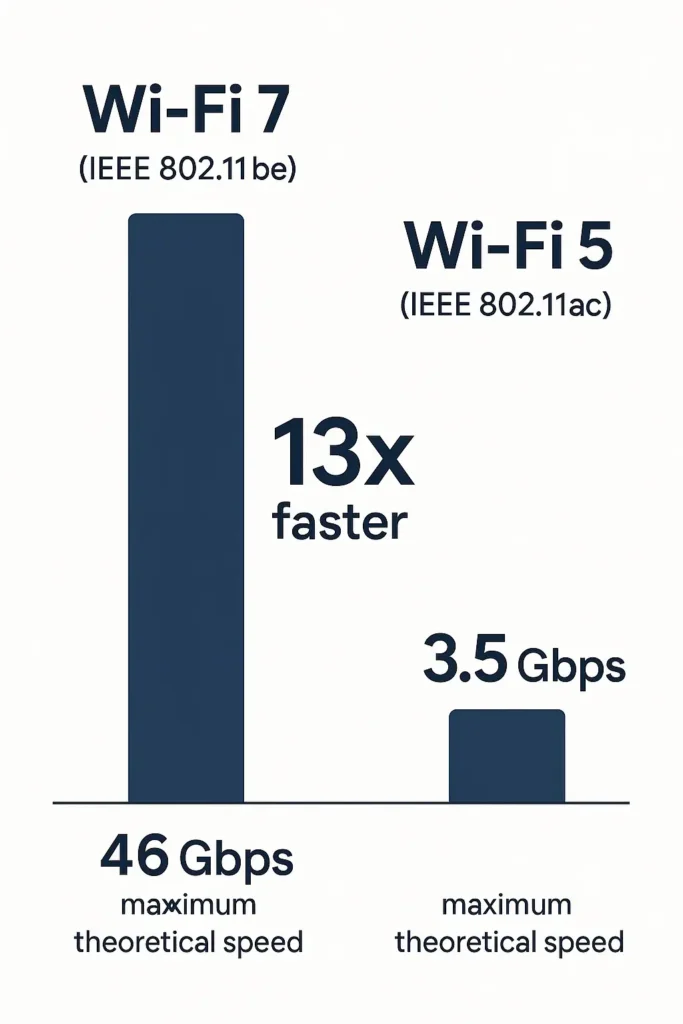
Wi-Fi 7 (IEEE 802.11be) has a theoretical maximum data rate of up to 46 Gbps, while Wi-Fi 5 (IEEE 802.11ac) has a theoretical maximum data rate of 3.5 Gbps. Therefore, Wi-Fi 7 is approximately 13 times faster than Wi-Fi 5.
5. Old Bluetooth Protocol
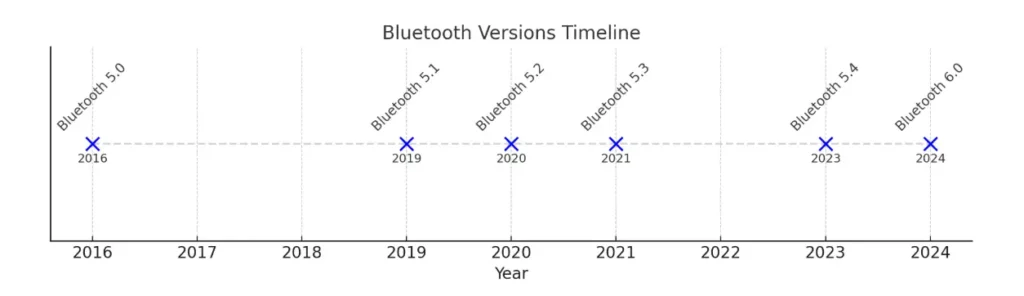
Pairing devices with the JUKE+ is a headache. The outdated Bluetooth 5 protocol makes pairing difficult and often unreliable. The short transmission range means that moving from one floor to another can result in dropped connections, which is incredibly inconvenient. Juke claims the antenna gives a Bluetooth 5 range of up to 150 feet, but real-world performance is far from this claim.
While the Raspberry Pi 4 supports Bluetooth 5.0 (BT 5.0 was released in 2016, and 10 years later, JUKE+ is still sticking with Bluetooth 5.0), it lacks many of the advanced features introduced in Bluetooth 6.0. If you need the latest Bluetooth features, such as enhanced LE Audio and improved connection stability, you may want to consider devices that support Bluetooth 6.0.
6. No LE AUDIO Support
The lack of support for LE AUDIO is another significant drawback. LE AUDIO offers better sound quality and longer battery life, making it a must-have for modern devices. The JUKE+’s omission of this feature is a clear indication of its outdated design.
7. Limited AirPlay Support
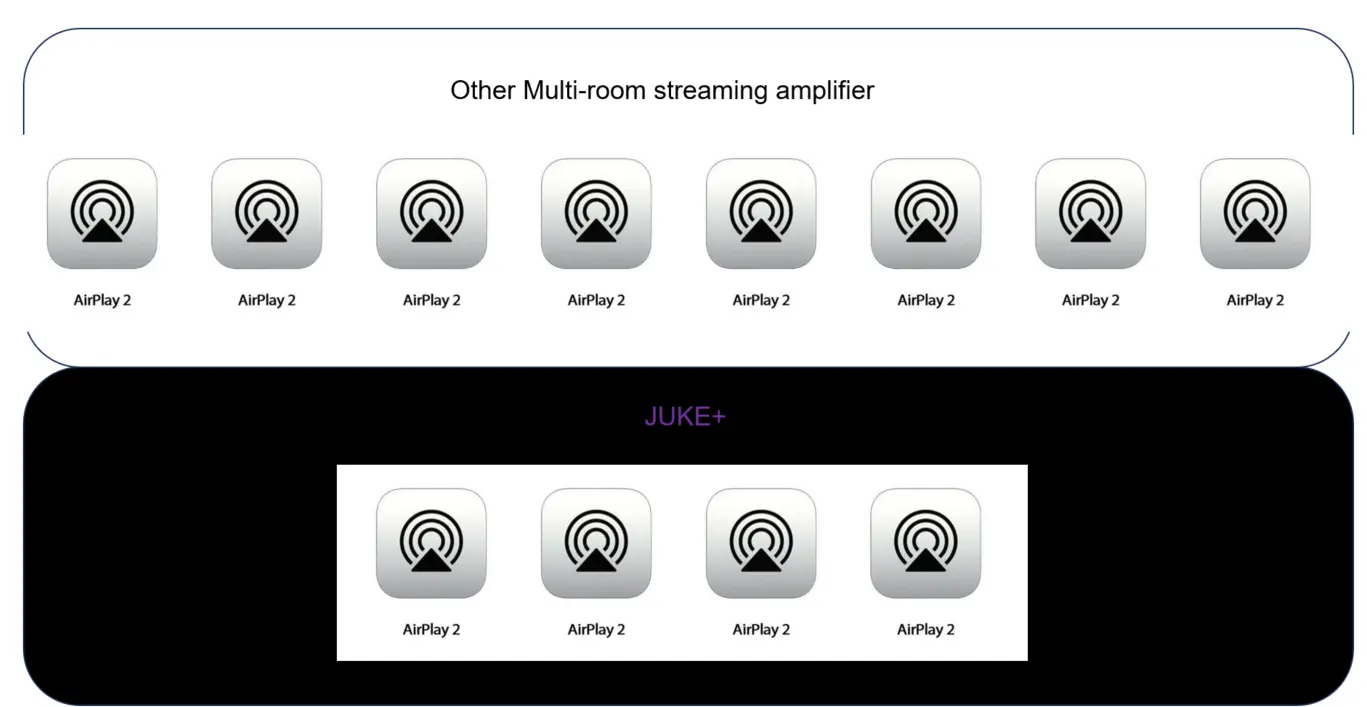
The JUKE+ only supports 4x AirPlay, which is far behind competitors like HOLOWHAS that offer 8x AirPlay 2. This limitation restricts your streaming options and doesn’t provide the flexibility you need for a modern home audio setup.
8. No Google Cast Support
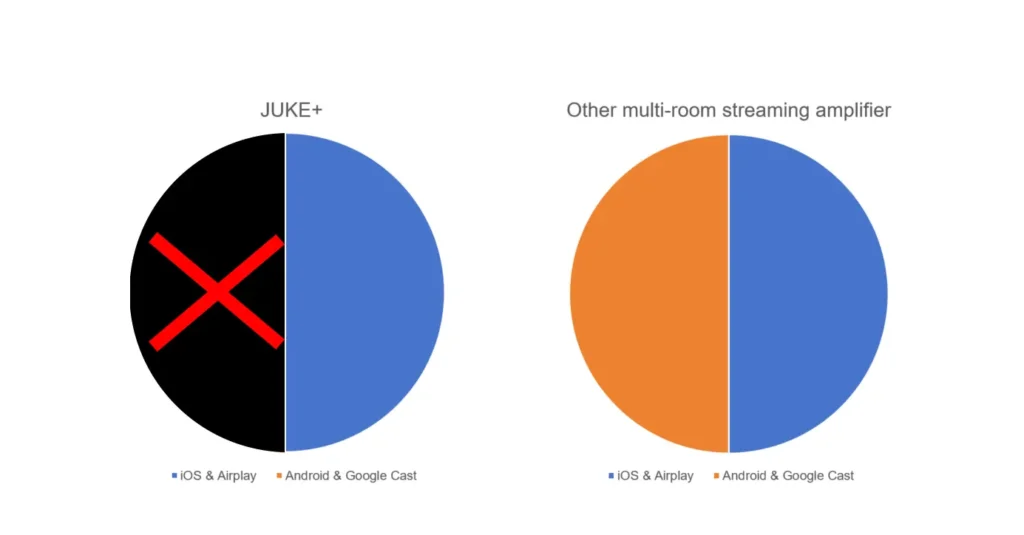
In a world where Google Cast is becoming increasingly popular, the JUKE+’s lack of support is a major letdown. HOLOWHAS and other top brands offer 8x Google Cast, providing users with seamless streaming across multiple devices. The JUKE+’s absence of this feature makes it a less versatile choice.
9. Poor Heat Dissipation
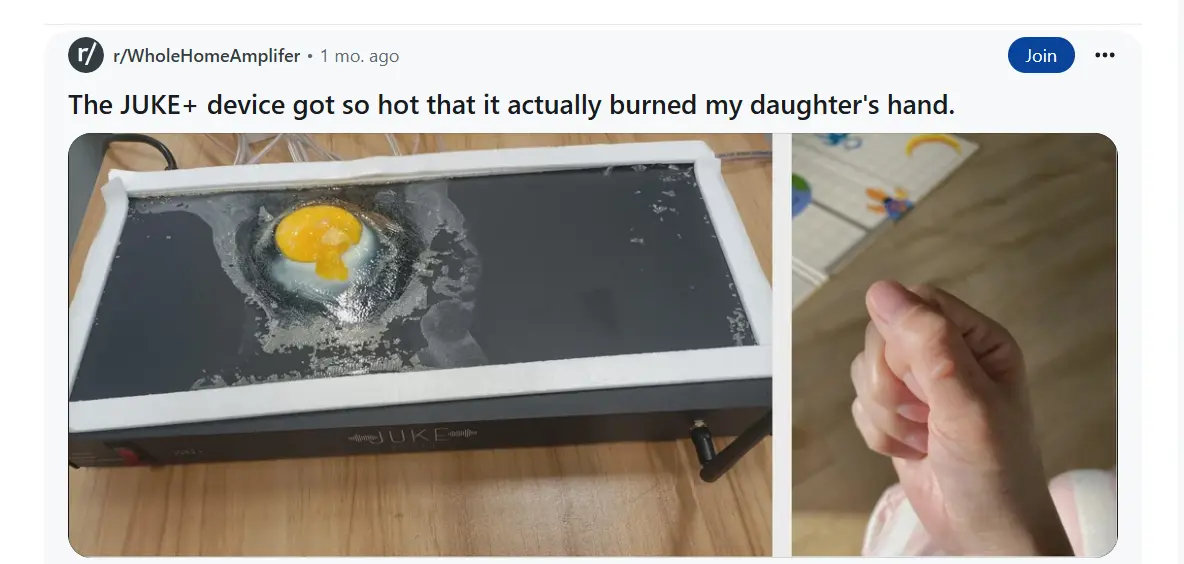
The JUKE+ has a serious issue with heat management. Reports indicate that the amplifier generates such high temperatures that some users have even managed to cook an egg on it. This level of heat is not only unsafe but also indicative of poor design and engineering.
Also, find a Reddit picture showing JUKE+ even cooking an egg, as follows.
10. Noisy Fans
The fans on the JUKE+ are incredibly noisy, making it impossible to enjoy a peaceful night’s sleep. Many users report having to turn the amplifier off at night and back on in the morning to avoid the constant hum. This is far from ideal for anyone looking for a quiet and reliable audio solution.
- Comfortable Range (20-60 dB)
- 20-40 dB: Very quiet environments, such as a library or a soft conversation. These levels are ideal for concentration and relaxation.
- 40-60 dB: Normal conversation and office background noise. This range is generally acceptable for daily activities.
- Tolerable Range (60-85 dB)
- 60-85 dB: Busy streets (70-85 dB) and household appliances like washing machines (75 dB). Short-term exposure to these levels is not immediately damaging to hearing, but long-term exposure can cause fatigue or irritability.
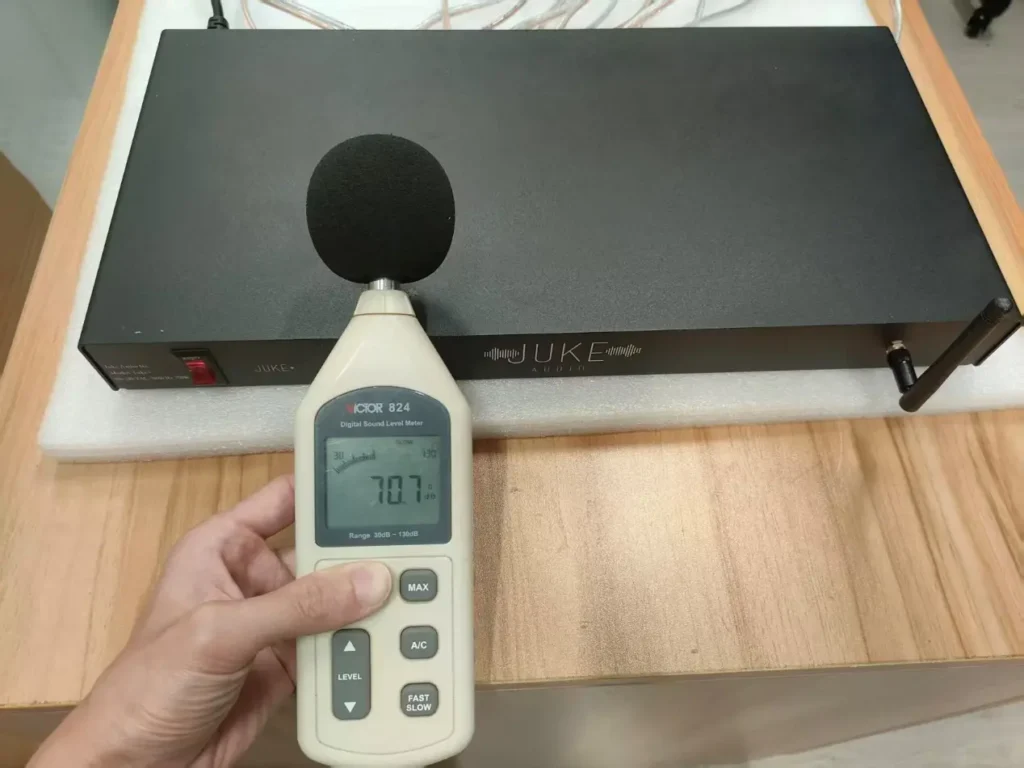
The fan noise from the JUKE+ hits a whopping 70 decibels. And it’s a high-pitched sound that’s really grating on the ears.
11. Misleading Power Rating
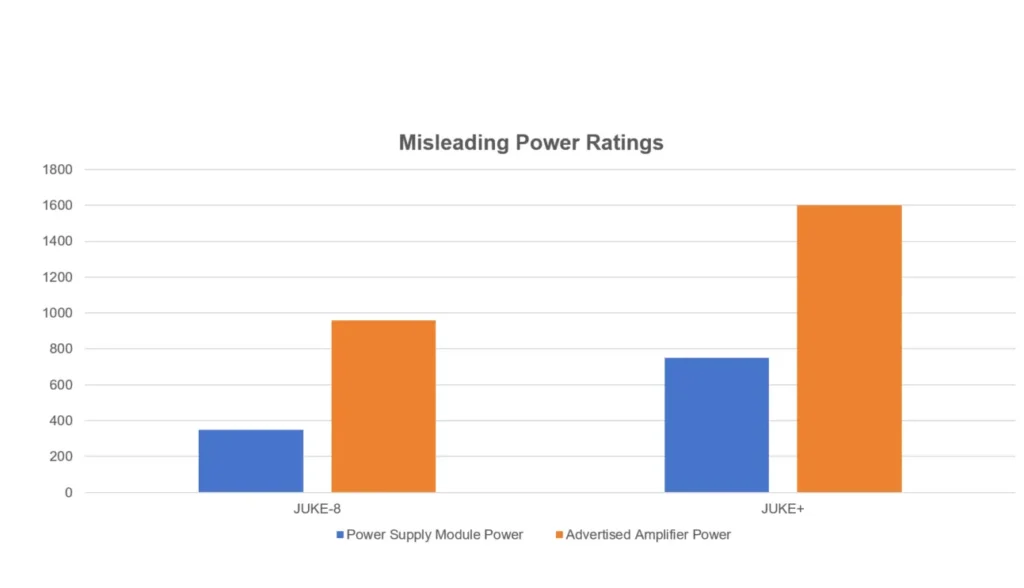
The JUKE+ claims to deliver 12 x 100W, totaling 1200W, but this is misleading. The power supply, sourced from China, only provides 750W. This means the amplifier can’t even deliver half of its claimed power, making it a deceptive choice for consumers.
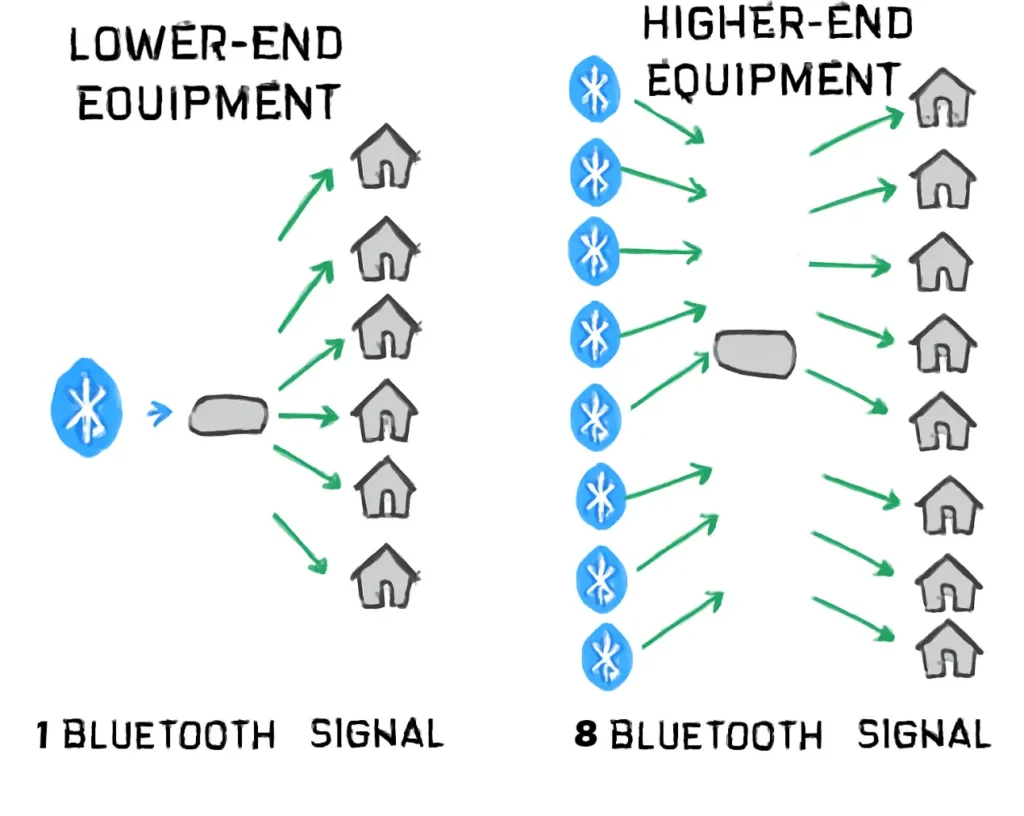
12. Single BT Audio Input
Six zones, one receiver. Pair a phone in the bedroom and the kitchen goes silent. Others give eight independent BT-ins.
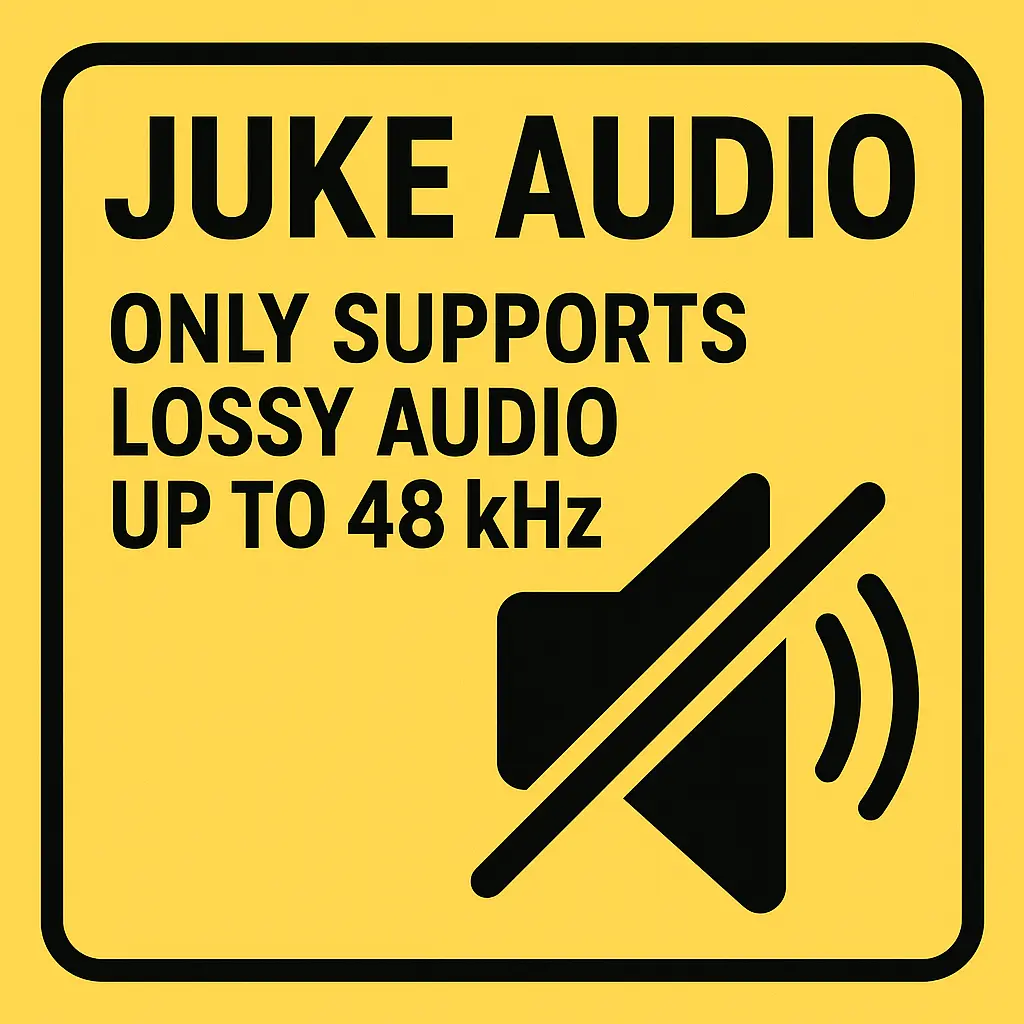
13. Don’tsupport Losslessand 192Khz Music
JUKE+ don’t support lossless & 192Khz music, where other brand support it.
| Feature | 192 kHz / Lossless | 48 kHz / Lossy | Advantage |
|---|---|---|---|
| Sample Rate | 192 kHz | 48 kHz | Higher sample rate captures more audio detail |
| Bit Depth | 24 bit | 16 bit | Wider dynamic range, more subtle details preserved |
| Sound Fidelity | High | Medium | Faithful reproduction of studio-quality sound |
| High-Frequency Detail | Clear and airy | Slightly rolled-off | Vocals, strings, and percussion sound more natural |
| Low-Frequency Performance | Deep and full | Limited | Bass and drums have more depth and presence |
| File Size | Large | Small | Ideal for high-end audio systems |
| Recommended Use | High-end home theater, multi-room Hi-Res playback, audiophile headphones | Streaming, mobile devices, standard speakers | Highlights professional-grade audio experience |
14. Missing HDMI ARC/eARC
Only legacy 3.5 mm analogue. Modern TVs need optical→DAC dongles (150 ms lip-sync).
| Technology | Year of Introduction | Key Features |
|---|---|---|
| 3.5mm analogue | Mid-20th century | - Analog audio interface - Widely used in headphones, speakers, etc. - Low cost, high compatibility - Transmits analog audio signals |
| SPDIF | 1983 | - Digital audio interface - Developed jointly by Sony and Philips - Became an IEC standard in 1992 - Supports multi-channel audio formats like Dolby Digital and DTS - Transmits uncompressed digital audio signals |
| HDMI ARC | 2009 | - Audio Return Channel - Introduced in HDMI 1.4 version - Transmits audio from TV to soundbar or receiver via HDMI cable - Simplifies audio device connections, reduces cable clutter |
| HDMI eARC | 2017 | -High Bandwidth: Supports up to 37Mbps, enabling lossless audio transmission like Dolby TrueHD and DTS-HD Master Audio. -Supports High-Resolution Audio Formats: Compatible with formats like Dolby Atmos and DTS:X for immersive sound. -Two-Way Audio Communication: Allows simultaneous audio transmission and reception. -Low Latency: Improved synchronization with reduced delay. |
Why does JUKE+ rely solely on technology from 40 years ago?
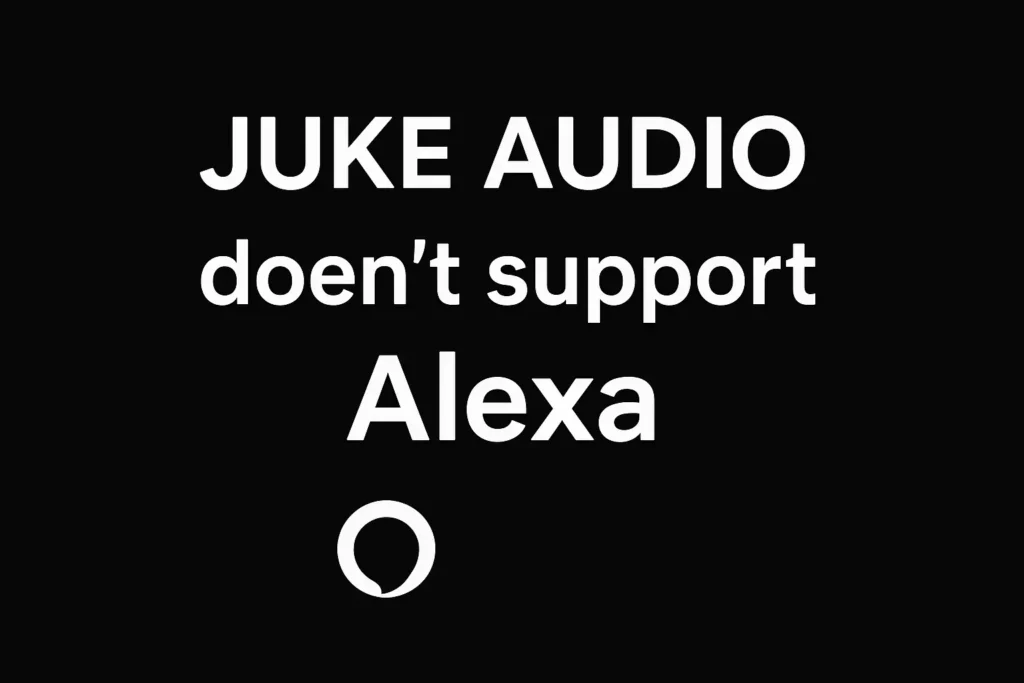
15. Zero Alexa support
No skill, no cloud API, no routines. “Alexa, play jazz in the kitchen” = command not found. Every rival is Works-with-Amazon certified.
Voice control is very important in now days.
- Zero Matter support
Still not certified to the 2025-connected-home baseline. No Thread radio, no Matter-over-Wi-Fi fallback, so it can’t appear in Apple, Google, Samsung or Amazon “Add Matter Accessory” workflows. Every competing multi-room amp released this year ships with at least one Matter endpoint (most expose each zone as a separate Matter media-player node). With Juke+ you’re locked out of the unified, local-control future the rest of your smart-home already lives in.
17. Zero Surround Sound
Denon’s AVR-1700 delivers 7.1.2 surround sound at just a few hundred dollars. JUKE+ is more expensive but with zero surround sound support.
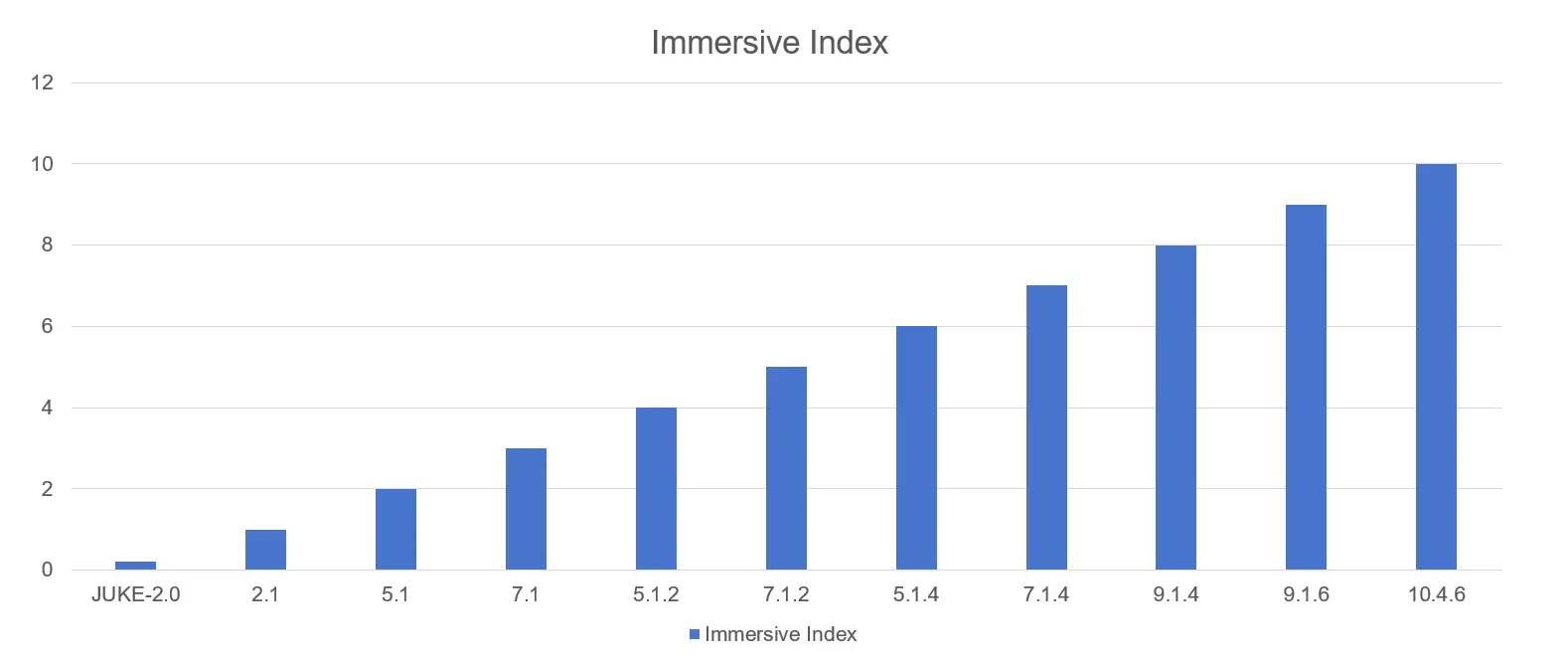
You can see that 2.0 stereo has very low immersive index. You’d better to choose one device which support both stereo multi-room steaming and surround sound.
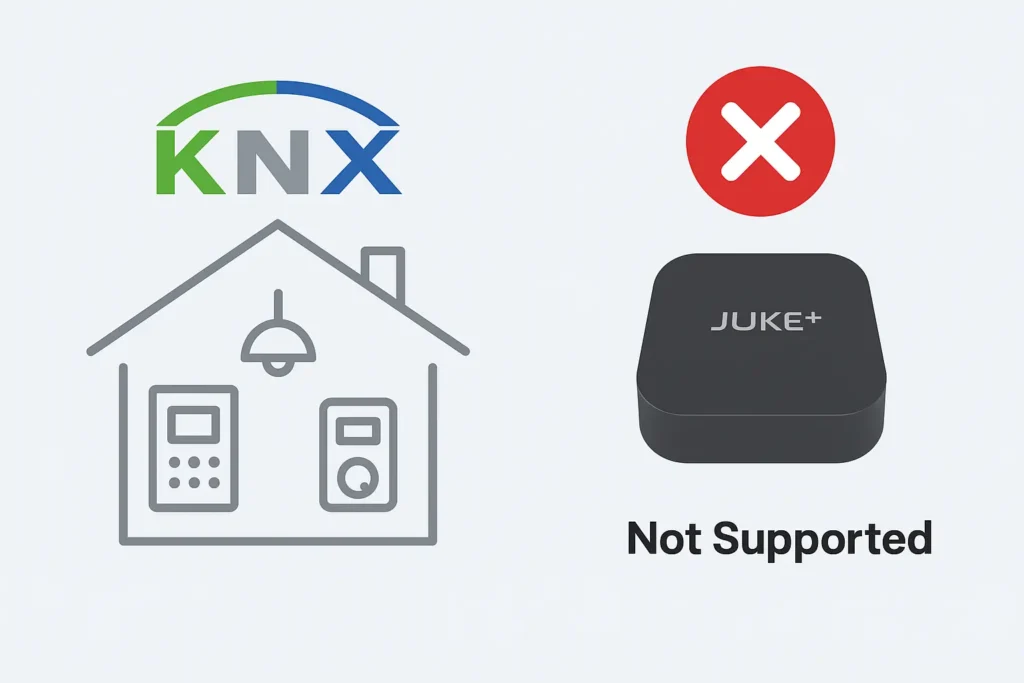
18.JUKE+ Lacks KNX Compatibility
One major drawback of the JUKE+ is its lack of KNX support. While KNX is a standard protocol widely used in Europe and in high-end commercial and residential automation projects worldwide, JUKE+ cannot integrate into these systems. This makes it unsuitable for European homes and other KNX-dependent smart homes, severely limiting its adoption in markets where seamless interoperability and professional-grade automation are expected.
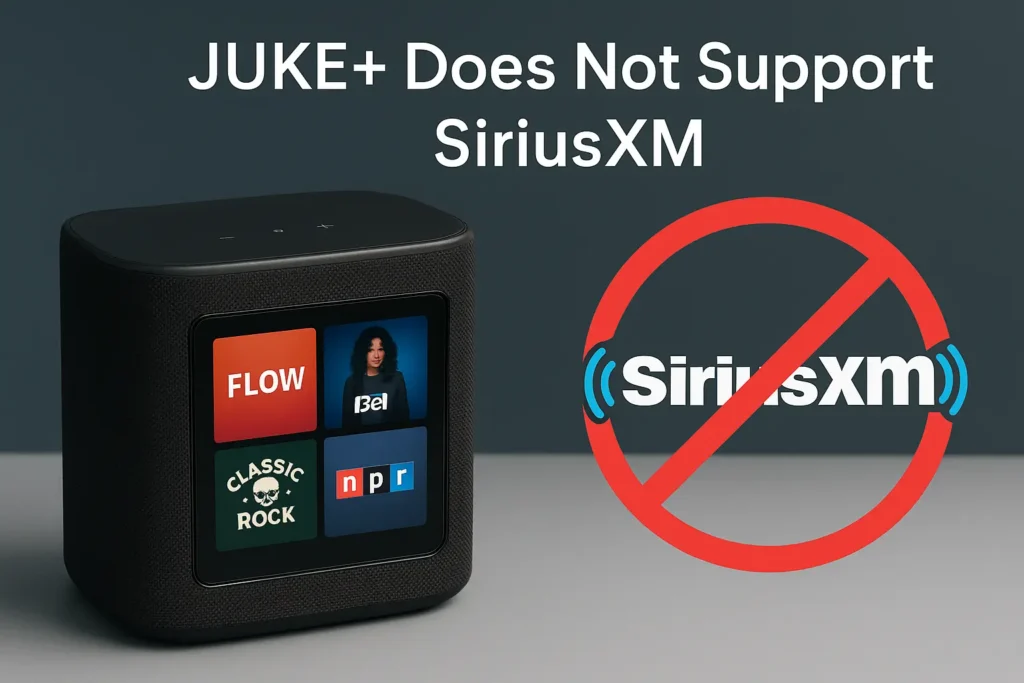
19. JUKE+ Does Not Support SiriusXM
JUKE+ does not support SiriusXM satellite or online radio services. This means that if you are used to listening to music, radio shows, or sports broadcasts via SiriusXM, JUKE+ cannot access this content directly. Users will need to use other devices or services to play SiriusXM audio.
20. JUKE+ does not support Internet Radio
JUKE+ does not support Internet Radio, meaning you cannot tune into thousands of global stations, from live music to news and podcasts. This blocks spontaneous discovery of new artists and genres and limits real-time content for your multi-room setup.
Users must rely on workarounds or extra devices, which can be inconvenient, break the seamless experience, and compromise audio quality. For anyone who values variety, live broadcasts, or instant access to global radio, this is a serious limitation of JUKE+.
21. JUKE+ does not provide Home Assistant Plugin
JUKE+ does not provide a Home Assistant plugin, meaning it cannot be fully integrated into smart home systems. Users cannot easily automate multi-room audio, link music to routines, or trigger sounds from sensors and devices.
Without native support, any integration requires manual workarounds, extra devices, or third-party scripts, which are often complex, unreliable, and disrupt the seamless smart home experience. For smart home enthusiasts, this is a serious limitation that can reduce convenience, efficiency, and overall control.
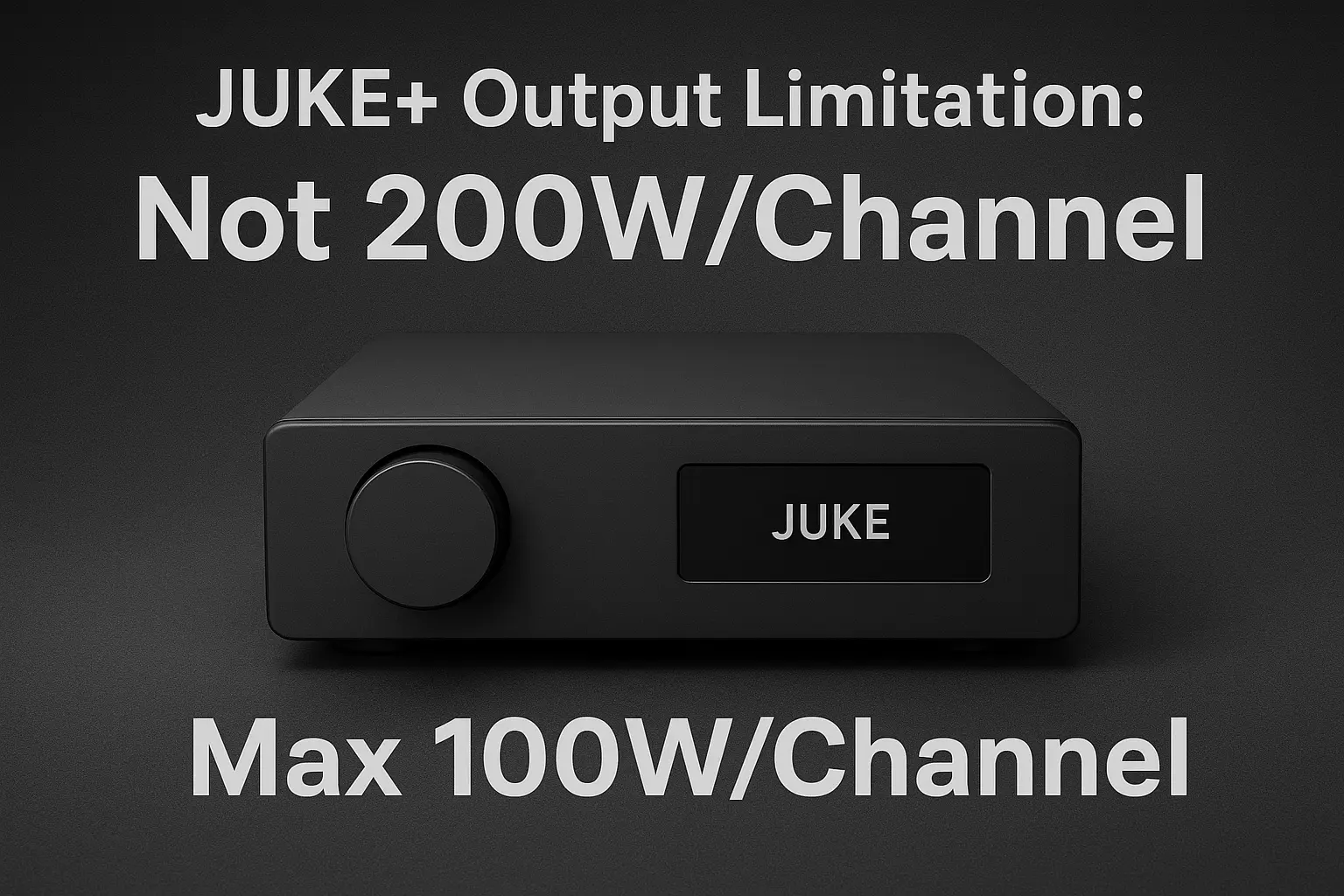
22. JUKE+ Output Limitation: Not 200W/Channel
Although JUKE+ claims a maximum output of 100W per channel, it does not support 200W per channel. For users expecting extremely high-power performance, especially for large speakers or high-volume home theater setups, JUKE+ may not deliver the required drive. Pushing it beyond its design limits could result in reduced audio quality or potential strain on the device. Therefore, JUKE+ is better suited for medium-sized rooms or moderate listening levels rather than high-power audiophile or cinema-level applications.
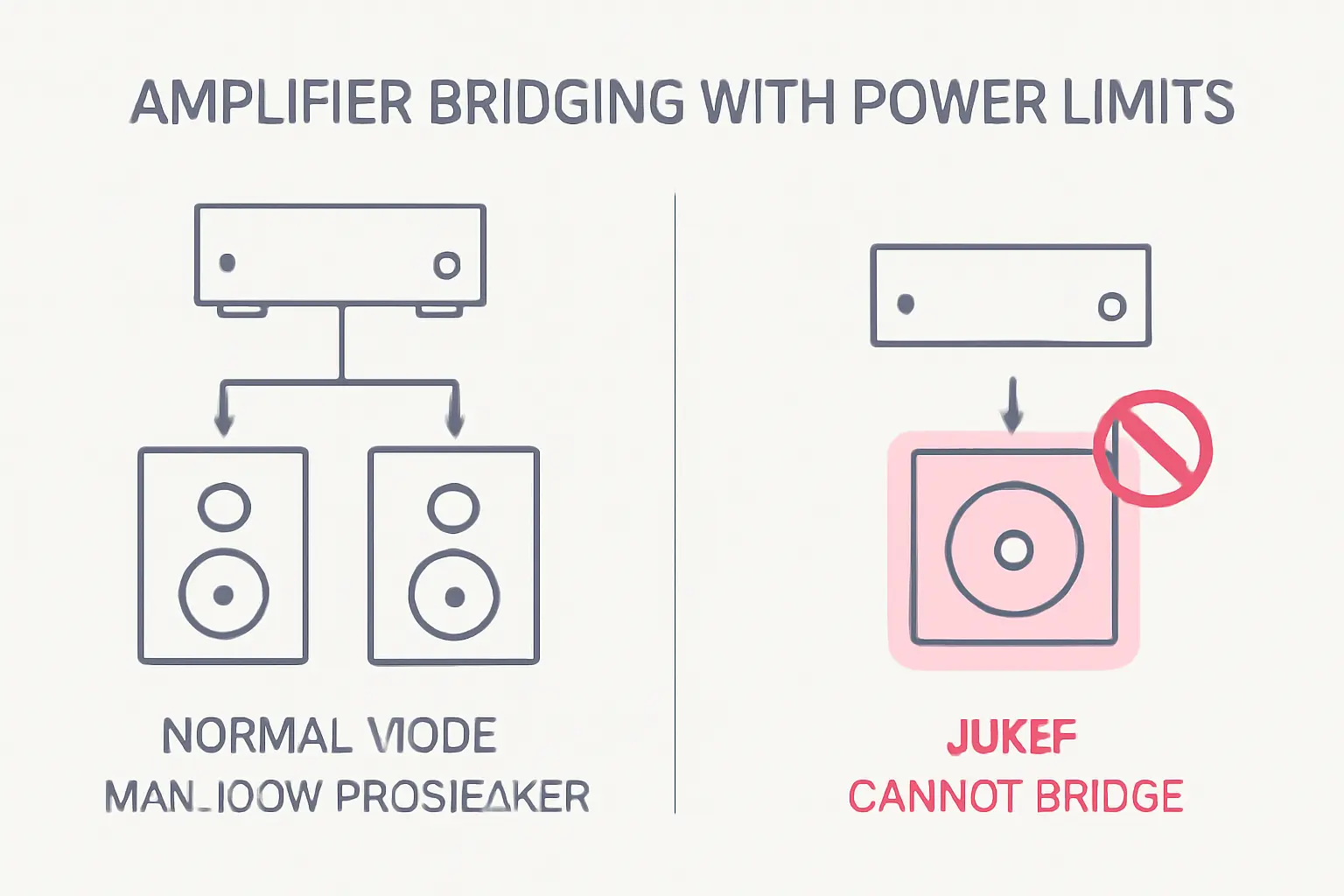
23. No Amplifier Bridging Function
The JUKE+ does not support amplifier bridging, which means it cannot combine two channels to deliver higher power to a single speaker. In normal mode, each channel is limited to driving speakers up to 100W, so users cannot connect high-power speakers that require more than 100W per channel. With amplifier bridging, users could combine channels to achieve higher output, for example driving a single speaker with up to 200W, but this option is not available on the JUKE+. As a result, flexibility for setups with demanding or high-power speakers is limited.
24. No Karaoke Function
The JUKE+ does not support mix, so it doesn’tsupport karaoke feature. This means users cannot connect microphones and enjoy singing along with music directly through the system. For families or social gatherings who enjoy interactive entertainment, this limitation reduces the versatility of the device, as it cannot serve as a hub for karaoke sessions without additional equipment or software workarounds.
25. No USB Playback Function
The JUKE+ does not support playback from USB drives. Users cannot directly connect a flash drive to play stored music, which can be inconvenient for those who maintain offline music collections. This limitation restricts the device’s compatibility with physical media and reduces flexibility in scenarios where network streaming services are unavailable or when high-resolution audio files are stored locally.
26. No Emergency Broadcast / Priority Override Function/GPIO Trigger
The JUKE+ does not support an emergency broadcast or priority override function. This means that when a broadcast signal is issued—such as a safety alert or urgent announcement—the system cannot automatically pause other audio and play the broadcast across all zones. In commercial or public environments, this limitation could pose safety risks, as critical messages may not reach all areas immediately, reducing the effectiveness of emergency communication.
Some professional audio systems support emergency broadcasting through hardware triggers such as GPIO inputs, allowing the amplifier to automatically play pre-stored audio files when a broadcast signal is received. This ensures that critical messages can override any ongoing playback and reach all zones immediately. The JUKE+ lacks this functionality, limiting its suitability for commercial or public environments where reliable, automatic emergency communication is essential.
27. No Bluetooth or Infrared Remote Control
The JUKE+ does not support Bluetooth or infrared (IR) remote control, limiting convenient wireless operation. In contrast, competitors such as Denon provide comprehensive remote options— for example, the Denon X3800H allows users to adjust volume, switch inputs, and control playback easily via an IR remote or Bluetooth device. JUKE+ users must rely primarily on manual controls or app-based operation, which reduces flexibility and convenience, particularly in home theaters or commercial spaces where quick, hands-free adjustments are expected. The absence of these standard remote features may negatively impact overall accessibility and user experience.
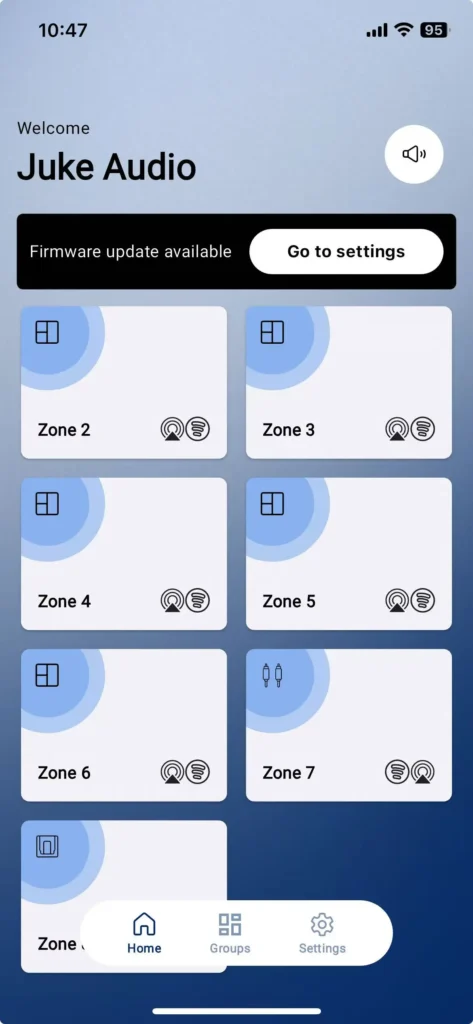
28. Poor App Experience and Limited Functionality
The JUKE+ app suffers from multiple usability and reliability issues:
-
- Crashes and Connectivity Problems:Users frequently experience app crashes and difficulty connecting to devices. Sometimes only part of the zones appears on the interface, requiring repeated restarts or reconnections.
- Limited Multi-Device Support:The app does not support multiple users controlling different devices simultaneously, making multi-device operation cumbersome and inconvenient in multi-room setups.
- RCA Output Limitations:When using RCA outputs, volume and EQ adjustments within the app do not take effect, preventing users from controlling these settings remotely.
These issues significantly reduce usability and overall user satisfaction. The app currently has an average rating of only 2 stars on Google Play, reflecting widespread user frustration.
29. JUKE+ No Mono Output Support
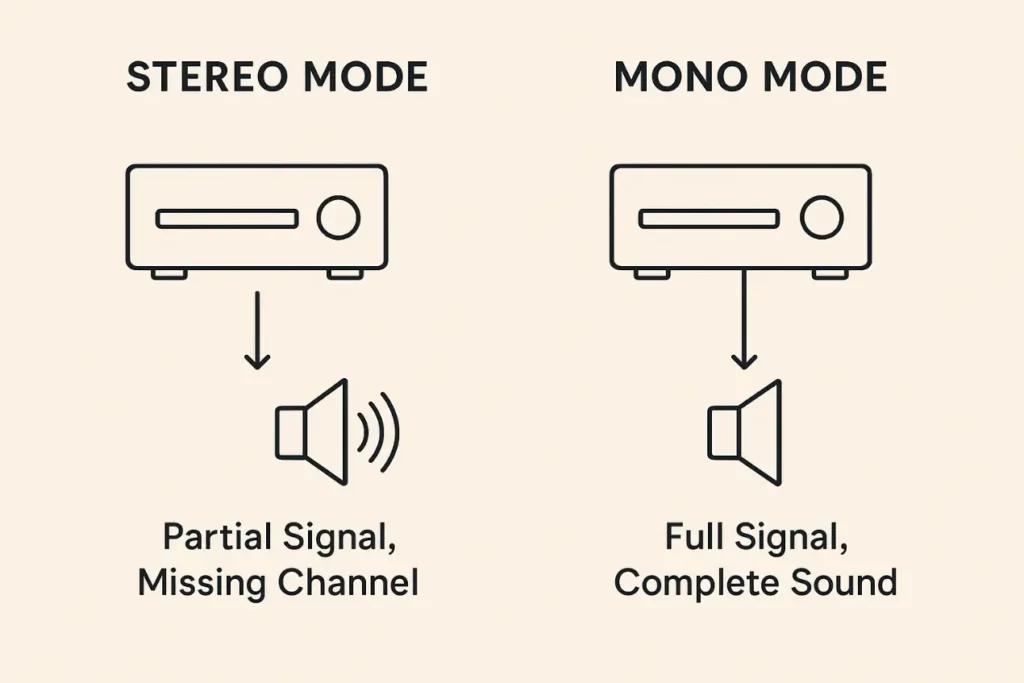
The JUKE+ does not support mono output. In many real-world installations, certain rooms may have only one speaker instead of a stereo pair. Without mono support, such zones receive only the left or right channel, causing part of the audio signal to be lost—vocals or instruments from the missing channel may not be heard at all. This limitation reduces flexibility for custom installations and results in an imbalanced or incomplete listening experience in single-speaker zones. Many amplifiers, including models from Denon and Russound, offer mono output options to ensure full-range playback even in single-speaker setups.
30. Poor Sound Quality
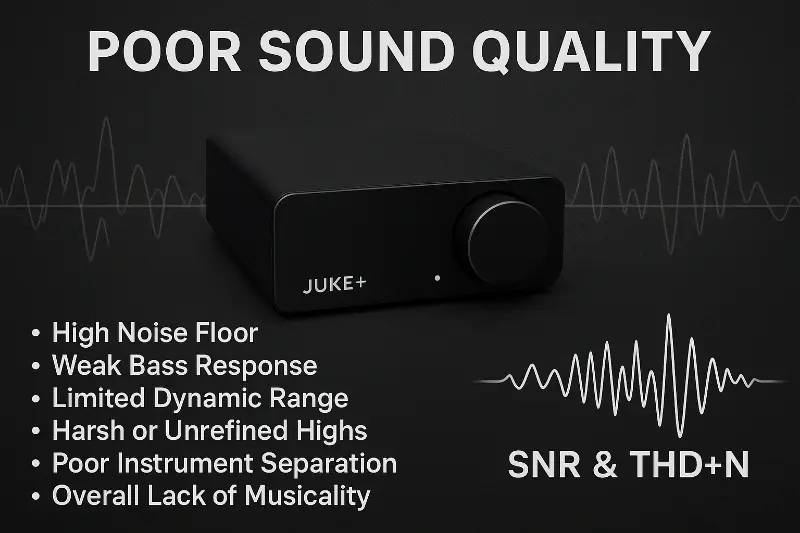
The JUKE+ exhibits several notable sound quality issues that affect the overall listening experience:
- High Noise Floor:Even when no music is playing, noticeable background noise or hiss can be heard, which is distracting in quiet environments.
- Weak Bass Response:Low frequencies lack fullness and impact, resulting in a thin or underwhelming sound, especially for genres that rely on strong bass.
- Limited Dynamic Range:The system struggles to reproduce the contrast between soft and loud passages, making music feel compressed or lifeless.
- Harsh or Unrefined Highs:Treble frequencies can sound sharp or piercing at higher volumes, reducing listening comfort.
- Poor Instrument Separation:Instruments and vocals tend to blend together, lacking clarity and spatial definition.
- Overall Lack of Musicality:The combination of these issues leads to a flat, unengaging audio experience, even with high-quality source material.
Extremely Low Measured Performance: When tested with audio analyzers (AP equipment), SNR (Signal-to-Noise Ratio) and THD+N (Total Harmonic Distortion plus Noise) are extremely low, confirming that the system cannot reproduce clean and accurate audio.
These factors make the JUKE+ less suitable for critical listening, home theaters, or audiophile setups, and noticeably limit enjoyment of both high-resolution and standard audio content.
31. Not a True AirPlay 2 Implementation
Although the JUKE+ claims to support AirPlay 2, it is not a fully certified Apple AirPlay 2 device. This leads to several practical issues:
- Lack of Apple Certification:Without official certification, compatibility with iOS/macOS devices may be unreliable.
- Multi-Selection Synchronization Problems:When streaming to multiple zones or devices simultaneously, playback can be noticeably out of sync.
- Cross-Brand Issues:Synchronizing JUKE+ with other certified AirPlay 2 devices (e.g., Denon receivers) often results in severe timing discrepancies, reducing the effectiveness of multi-room audio setups.
These limitations prevent the JUKE+ from delivering the seamless, reliable multi-room experience expected from genuine AirPlay 2 systems.
32. Not a Fully Certified Spotify Connect Device
The JUKE+ claims to support Spotify Connect but is not officially certified by Spotify. This leads to multiple practical issues:
- Lack of Official Certification:Without Spotify’s certification, compatibility and stability cannot be guaranteed across all devices and accounts.
- Frequent Playback Interruptions:Users report that music often pauses unexpectedly during playback.
- Other Functionality Issues:Additional problems include difficulties in switching between devices, inconsistencies in volume control, and occasional failure to recognize the device within the Spotify app.
These limitations make the JUKE+ unreliable for Spotify streaming, especially in multi-room setups or for users expecting seamless, uninterrupted playback.

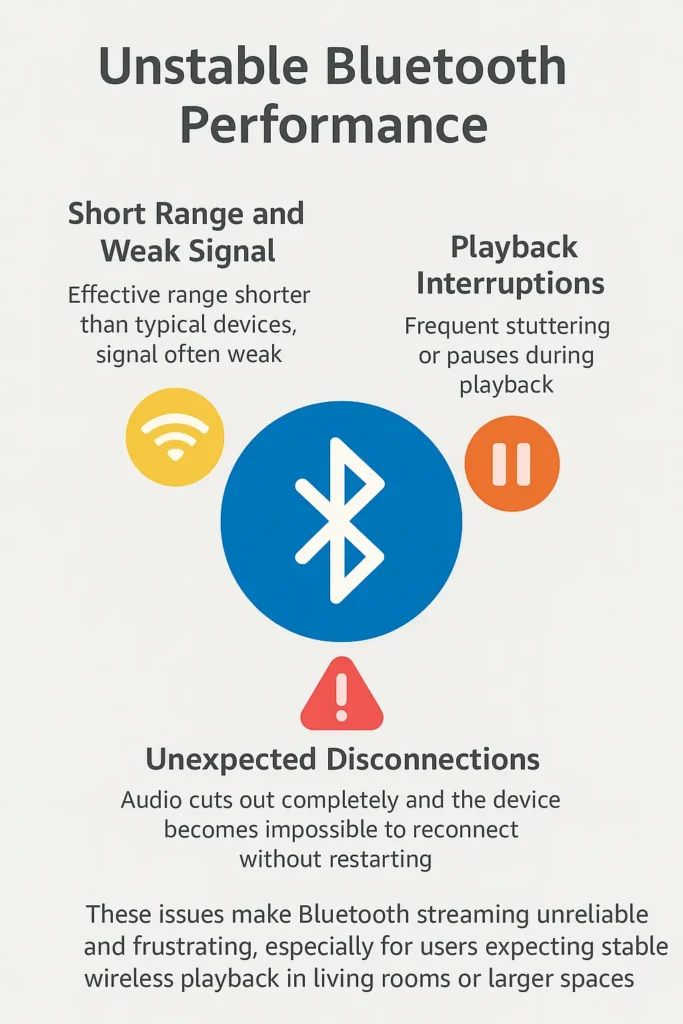
33. Unstable Bluetooth Performance
The JUKE+ exhibits significant Bluetooth connectivity issues:
- Short Range and Weak Signal:Bluetooth performance is limited, with effective range shorter than typical devices, and signal strength often weak.
- Playback Interruptions:Users experience frequent stuttering or pauses during playback.
- Unexpected Disconnections:In some cases, audio cuts out completely and the device becomes impossible to reconnect without restarting.
These issues make Bluetooth streaming unreliable and frustrating, especially for users expecting stable wireless playback in living rooms or larger spaces.
Conclusion
The JUKE+ is a prime example of what not to look for in a multi-streaming amplifier. Its numerous shortcomings, from limited zone support and lack of subwoofer integration to outdated connectivity options and poor heat management, make it a frustrating and unreliable choice. If you’re in the market for a reliable, feature-rich amplifier, consider looking at more reputable brands like RUSSOUND and HOLOWHAS, which offer genuine 8-zone support, robust subwoofer integration, and modern connectivity options.