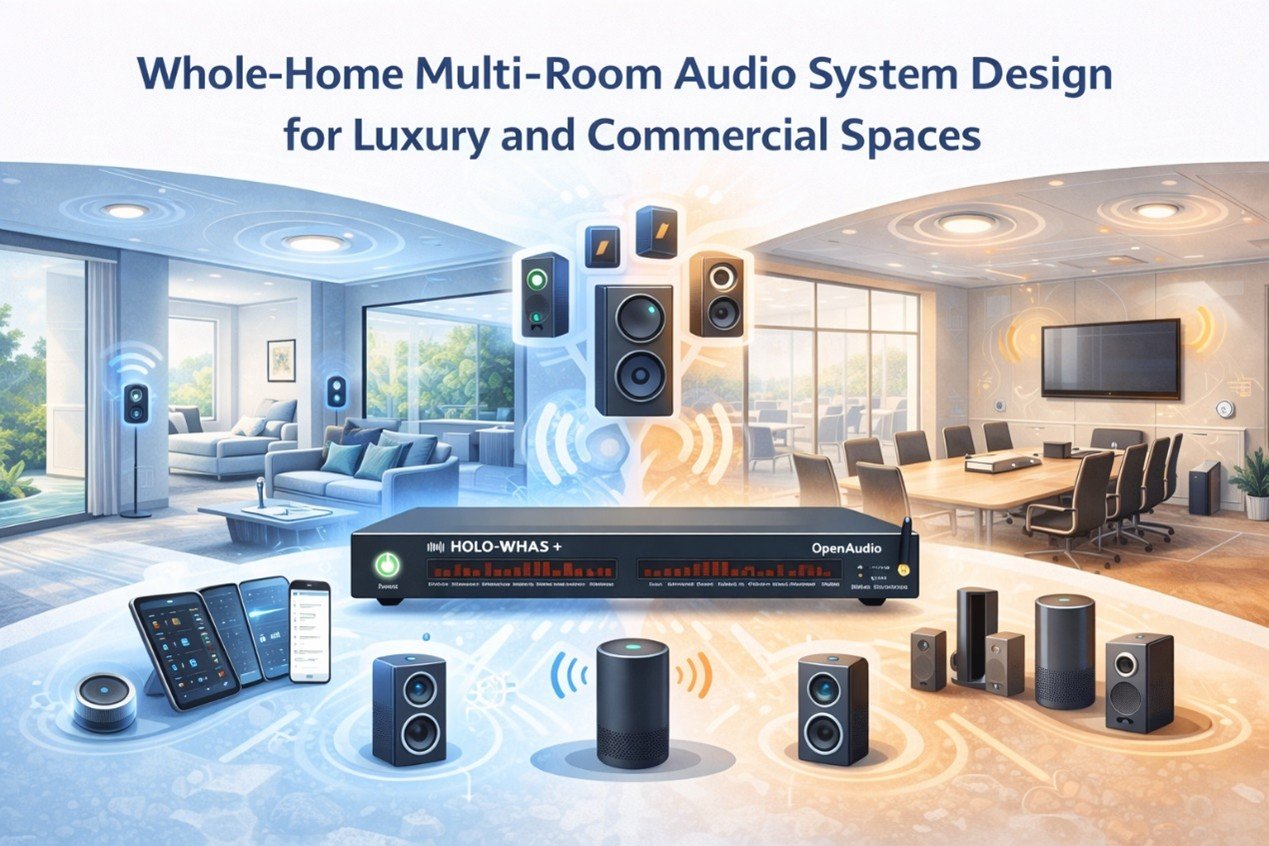
Designing a Whole-Home Multi-Room Audio System for Luxury Homes and Commercial Spaces
In luxury residences and commercial environments, audio is no longer an afterthought—it is a core part of the spatial experience. Whether in a high-end villa, boutique hotel, corporate office, or retail space, multi-room audio systems must deliver more than sound. They must be reliable, scalable, discreet, and intuitive to control.
Designing such systems requires a fundamentally different approach compared to traditional single-room audio setups.
Why Multi-Room Audio Design Is Different at the High End
Luxury homes and commercial spaces introduce challenges that entry-level audio solutions cannot handle:
- Large numbers of independent zones
- Long cable runs and centralized equipment racks
- Mixed-use spaces with different acoustic needs
- High expectations for reliability and uptime
- Integration with lighting, HVAC, and automation systems
In these environments, audio must behave like infrastructure—always available, always consistent, and invisible to the end user.
Key Design Principles for Whole-Home Audio Systems
A well-designed multi-room audio system follows several core principles.
Centralized Architecture
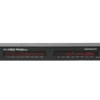
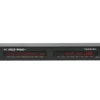
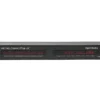
High-end installations typically rely on centralized multi-room amplifiers installed in a rack or equipment room. This approach simplifies maintenance, improves reliability, and allows for clean, speaker-only rooms without visible electronics.
True Zone Independence
Each room or area should function independently while still allowing synchronized playback when needed. Volume, source selection, and grouping must be flexible and instant.
Scalability
Luxury properties evolve. A system must allow additional rooms, outdoor zones, or commercial areas to be added without redesigning the entire infrastructure.
Low-Latency Synchronization
In open-plan spaces, even slight audio delays between zones are noticeable. Professional-grade multi-room systems must maintain precise synchronization across all outputs.
Residential vs Commercial Multi-Room Audio Requirements
Although the underlying technology is similar, residential and commercial environments have different priorities.
Luxury Residential Audio
- Seamless, quiet operation
- Invisible hardware and clean aesthetics
- Simple control for all family members
- Smart scenes for daily routines (morning, dinner, movie night)
Commercial & Hospitality Audio
- Continuous operation and high reliability
- Scheduled playback and automation
- Zoning for different customer areas
- Easy remote management and diagnostics
A well-designed system adapts to both, without compromising performance.
The Role of Smart Home Integration in Modern Audio Design
In premium environments, audio systems rarely operate alone. They are deeply integrated into the broader smart home or building automation platform.
Common integrations include:
- Lighting scenes triggered by audio modes
- Automated volume control based on time or occupancy
- Voice control across multiple rooms
- Centralized control panels and mobile apps
This is where ecosystem compatibility becomes critical. Audio systems must work smoothly with platforms such as HomeKit, Google Home, and Alexa—without locking the client into a single ecosystem.
Why Voice Control Matters in Large-Scale Installations
In large homes and commercial spaces, traditional control interfaces quickly become cumbersome. Wall panels and apps work—but they require intentional interaction.
Voice control changes this dynamic.
With advanced, AI-driven voice interaction:
- Users can control multiple rooms naturally
- Guests can interact without training
- Staff can manage zones hands-free
- Complex actions can be triggered with a single phrase
For multi-room audio, voice becomes the most intuitive interface—especially when paired with contextual understanding and smart automation.
Designing for the Future: AI and Platform-Agnostic Systems
High-end audio systems are long-term investments. Unlike consumer gadgets, they are expected to last for many years.
Future-ready system design emphasizes:
- Platform-agnostic hardware
- Software-upgradable control logic
- AI-driven interaction instead of fixed commands
- Compatibility with multiple smart home ecosystems
This approach protects the client’s investment and ensures the system evolves alongside technology trends.
How Next-Generation Multi-Room Amplifiers Enable Better Design
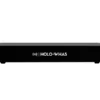
Modern multi-room amplifiers play a central role in enabling these design principles. When paired with AI voice control and broad ecosystem compatibility, they become the foundation of the entire audio infrastructure.
A deeper look at how AI voice control, ecosystem flexibility, and multi-room amplifier architecture come together is covered in our main feature article:
Conclusion: Audio as Architecture
In luxury homes and commercial spaces, audio is not just entertainment—it is part of the architecture. The best systems are the ones users barely notice, yet rely on every day.
By combining:
- Professional multi-room amplifier design
- Smart home and ecosystem integration
- AI-driven voice interaction
Modern audio systems deliver experiences that are powerful, flexible, and future-proof.
For high-end installations, great audio design is not about adding more features—it’s about making complexity disappear.